
Ad Free Streaming Options and How to Watch Television Without Commercials in 2026

The Advertising Explosion Across Modern Streaming Platforms
When streaming television first emerged as a mainstream alternative to legacy cable, one of its most celebrated advantages was the absence of traditional commercial interruptions. Early adopters reveled in watching complete movies and binge-worthy series without a single advertising break disrupting the narrative flow. That golden era of universally commercial-free streaming has largely ended.
Economic pressures and intensifying competition have driven nearly every major streaming platform to introduce ad supported streaming services as their default entry-level subscription tier. Platforms that once marketed themselves as premium commercial-free destinations now offer their lowest monthly pricing exclusively through plans that insert sixty to ninety second commercial blocks before and during content playback. The ad-free experience that originally attracted millions of subscribers away from cable has been repositioned as a premium upgrade requiring additional monthly payment.
This fundamental shift has created a fragmented landscape where viewers must carefully evaluate how much they are willing to pay for uninterrupted entertainment versus how much advertising they are willing to tolerate in exchange for lower monthly costs. Understanding the complete spectrum of options available in 2026, from completely free ad-heavy platforms through premium commercial-free subscriptions to independent IPTV services, empowers cord-cutters to build entertainment stacks that match both their budget constraints and their tolerance for commercial interruptions.
How Ad Supported Tiers Actually Work and What You Get
The ad supported streaming service model generates revenue by selling targeted commercial inventory to advertisers rather than relying exclusively on subscriber fees. This dual-revenue approach allows platforms to offer dramatically reduced monthly pricing because advertising income subsidizes the content licensing costs that would otherwise be passed entirely to subscribers.
Modern streaming advertisements differ significantly from traditional cable television commercials in both format and frequency. Legacy cable networks broadcast four to six minutes of continuous advertising every fifteen minutes, accumulating sixteen to twenty-four minutes of commercials per hour of viewing. Streaming ad-supported tiers typically insert shorter commercial pods lasting sixty to ninety seconds at natural content break points, accumulating four to eight minutes of total advertising per hour. The reduced frequency and shorter duration make the experience notably less intrusive than the cable advertising model that drove cord-cutting adoption.
Content availability between ad-supported and premium tiers is typically identical. Subscribers to the ad-supported plan access the same movies, series, documentaries, and original productions as premium subscribers. The sole functional difference is whether commercial breaks interrupt playback. Some platforms restrict specific premium features like offline download capability and simultaneous stream count to higher-priced tiers, but the core content catalog remains consistent across all subscription levels.
Building a Completely Ad Free Entertainment Stack Without Overspending
Achieving a fully ad free streaming experience across every screen in your household requires strategic subscription planning rather than blindly upgrading every platform to its most expensive tier. Thoughtful evaluation of which platforms your household actually uses daily versus which sit idle for weeks between viewing sessions identifies where premium upgrades deliver genuine value versus where they waste money.
Begin by auditing your household viewing habits over a two-week period. Track which platforms each family member actually opens daily, which specific programs drive the majority of viewing hours, and which subscriptions remain largely untouched between monthly billing cycles. Most households discover that seventy to eighty percent of their total viewing time concentrates on two or three primary platforms while the remaining subscriptions contribute occasional background entertainment that does not justify premium pricing.
Upgrade only your two or three most-used platforms to their ad-free tiers. These are the services where commercial interruptions impact your daily viewing experience most frequently and most noticeably. Maintain your less-used subscriptions at their ad-supported pricing or cancel them entirely if monthly usage does not justify any expenditure. This targeted upgrade strategy delivers an overwhelmingly commercial-free daily experience while eliminating wasteful premium payments on services your household barely uses.
Layer free ad supported streaming services underneath your premium core subscriptions for casual background entertainment. Free linear channels deliver hundreds of curated broadcast feeds for ambient viewing in kitchens, bedrooms, and home offices where advertising interruptions are far less bothersome than during dedicated living room entertainment sessions.
Why IPTV Subscriptions Deliver the Ultimate Ad Free Viewing Experience
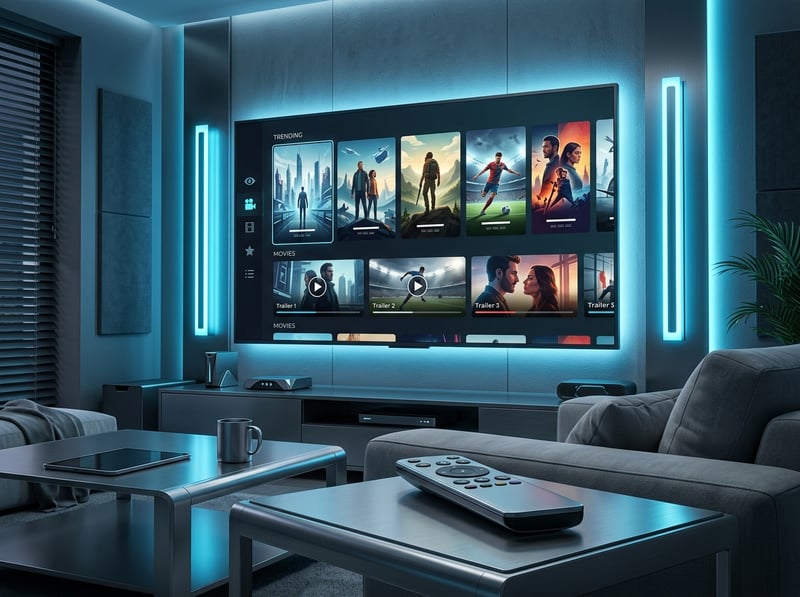
While mainstream platforms debate whether their commercial breaks last sixty or ninety seconds and charge premium fees to remove them, authenticated IPTV subscriptions have quietly delivered completely commercial-free platform experiences since their inception. Understanding why independent IPTV occupies a unique position in the ad-free landscape reveals why millions of cord-cutters consider it the superior entertainment investment.
Independent IPTV providers generate revenue exclusively through subscriber fees. Their business model does not include advertising partnerships, commercial inventory sales, or sponsored content integration. Because advertising revenue plays zero role in their economic structure, the platform interface, electronic program guide, channel switching experience, and video on demand libraries are completely free of injected commercial overlays, pre-roll advertisements, and mid-stream interruption breaks.
The live broadcast feeds delivered through IPTV naturally carry whatever original commercial breaks the broadcasting network inserts into its own transmission. A live sports broadcast carries stadium advertising boards and broadcast sponsor mentions because those elements are embedded in the original video feed. However, the IPTV platform itself adds nothing on top of the original stream. There are no additional banner overlays, no pop-up promotions, no auto-playing promotional trailers between channel switches, and no sponsored recommendation algorithms pushing paid placement content into your browsing interface.
For viewers whose primary frustration with mainstream platforms is the relentless commercial intrusion that degrades the entertainment experience, an authenticated IPTV subscription costing twelve to twenty dollars per month delivers thousands of live channels and extensive on-demand libraries in a pristinely advertisement-free environment that no mainstream platform can replicate at any price tier.
Network Level Ad Blocking and DNS Filtering for Streaming Devices
For technically inclined cord-cutters who want to reduce advertising exposure across every device and application on their home network simultaneously, network-level DNS filtering provides a powerful blanket solution that operates transparently beneath all streaming applications.
DNS-based content filtering works by intercepting the domain name resolution requests that advertising systems rely on to deliver commercial content to your devices. When a streaming application requests a connection to a known advertising server domain, the DNS filter returns a null response, preventing the commercial content from loading. The streaming video continues playing while the advertising slot either displays a brief blank screen or skips entirely depending on how the platform handles failed ad delivery.
Implementing DNS filtering requires either configuring a dedicated filtering application on a small home server device connected to your router or switching your router's DNS configuration to a cloud-based filtering service that maintains constantly updated advertising domain blocklists. Both approaches filter advertising traffic for every device connected to your home WiFi network simultaneously, reducing commercial exposure across smart televisions, streaming devices, smartphones, tablets, and computers without installing individual blocking software on each device.
However, major streaming platforms actively combat DNS-based filtering by serving advertisements from the same content delivery domains used for primary video delivery. When blocking these domains would simultaneously prevent the video content itself from loading, DNS filtering becomes ineffective without breaking the viewing experience entirely. This ongoing technical arms race means DNS filtering reduces but cannot completely eliminate advertising on the most sophisticated mainstream streaming platforms.
The Hidden Cost of Free Streaming and Why You Are the Product
The explosion of completely free tv with ads platforms raises an important question that budget-conscious viewers should consider: if a service provides hundreds of channels and thousands of on-demand titles without charging any subscription fee, how does it generate the revenue necessary to license that content and maintain its technical infrastructure?
The answer is that free streaming platforms monetize viewer attention and behavioral data. Every channel selection, viewing duration measurement, pause timestamp, content search query, and device identifier is captured, aggregated, and sold to advertising networks that build detailed consumer profiles. These behavioral profiles enable hyper-targeted commercial delivery where the advertisements you see are specifically selected based on your inferred demographic characteristics, geographic location, purchasing habits, and entertainment preferences.
This data monetization model is not inherently sinister, and millions of viewers happily accept targeted advertising in exchange for free entertainment access. However, understanding this value exchange empowers consumers to make informed decisions about which platforms receive their viewing data and which privacy boundaries they consider non-negotiable. Viewers who prioritize data privacy alongside advertising elimination find that paid subscriptions and authenticated IPTV services provide both benefits simultaneously, delivering commercial-free entertainment without harvesting behavioral telemetry for third-party advertising networks.
Calculating the True Monthly Cost of a Fully Ad Free Household
Understanding the total monthly expenditure required to eliminate commercials from every streaming platform your household uses reveals whether a fully ad free streaming approach fits your entertainment budget or whether a hybrid strategy mixing premium and ad-supported tiers makes more financial sense.
A typical cord-cutting household in 2026 subscribes to three to five streaming platforms. Upgrading each platform from its ad-supported tier to its ad-free equivalent adds five to eight dollars per service per month. For a household using four platforms, the total premium upgrade cost ranges from twenty to thirty-two dollars monthly on top of existing base subscription fees.
Compare this total premium upgrade expense against a single authenticated IPTV subscription costing twelve to twenty dollars per month. The IPTV service delivers thousands of live channels spanning every international territory and content category alongside extensive movie and series archives, all within a completely advertisement-free platform environment. For many households, a single IPTV subscription replaces the combined functionality of multiple mainstream platforms while simultaneously eliminating every commercial interruption at a fraction of the aggregate premium upgrade cost.
The most cost-effective strategy combines a single primary mainstream platform upgraded to its ad-free tier for exclusive original productions, an authenticated IPTV subscription for comprehensive live television and international content, and free ad-supported linear services for casual background entertainment in secondary rooms. This three-layer approach delivers an overwhelmingly commercial-free primary viewing experience at a total monthly cost significantly below what most households currently spend on fragmented multi-platform subscriptions riddled with advertising interruptions.
Future Trends in Streaming Advertising and What Cord Cutters Should Expect
The streaming advertising landscape continues evolving rapidly as platforms experiment with new commercial formats, dynamic product placement technologies, and artificial intelligence-driven personalization engines that promise to make advertising simultaneously less intrusive and more commercially effective.
Interactive shoppable advertisements allow viewers to purchase products directly through their remote control during commercial breaks, transforming passive advertising exposure into active retail engagement. While these interactive formats may appeal to some consumers, they represent an intensification of the commercial experience that will drive advertising-averse viewers further toward ad-free alternatives.
Pause-screen advertising has emerged on several platforms, displaying promotional content whenever a viewer pauses playback. This format generates advertising impressions without interrupting active viewing but introduces commercial messaging into moments of content interaction that were previously advertising-free. As platforms discover new surfaces for commercial insertion, the boundary between content and advertising continues blurring in ways that reinforce the value of genuinely commercial-free viewing environments.
For cord-cutters committed to preserving an uninterrupted viewing experience, the trajectory is clear. Mainstream platforms will continue expanding their advertising footprint across every available surface while positioning ad-free access at progressively higher premium price points. Independent IPTV services and carefully selected premium tier subscriptions remain the most effective tools for maintaining the commercial-free entertainment experience that attracted millions of viewers away from legacy cable television in the first place.
Frequently Asked Questions
Ready to get started?
Try our service risk-free with a 24-hour free trial.
Related Articles

How to Pair and Program Any Roku Remote to Your TV in Minutes
A complete walk-through for setting up, pairing, and programming any Roku remote control. Covers simple IR remotes, Voice Remotes, TV volume and power setup, and quick troubleshooting fixes.
How to Use UHF IPTV: The Complete Guide for 2026
Learn to use UHF IPTV with expert tips and troubleshooting.
How to Get IPTV: Your Complete Guide for 2026
Discover how to get IPTV subscriptions and troubleshoot issues.