
IPTV vs Cable in 2026: Why I Finally Canceled My $160 Monthly TV Bill

I opened my cable bill last January and stared at the total: $164.80. For that money, I was getting roughly 180 channels, about twelve of which anyone in my house actually watched. But the real insult was the itemized breakdown. A $14.50 'Broadcast TV Fee.' An $11.20 'Regional Sports Surcharge.' Two set-top box rentals at $12.00 each. Before I had even watched a single second of television, I was paying nearly $50 just in administrative junk fees. That was the day I decided to test whether modern IPTV could legitimately replace my cable box, or if it was just another frustrating tech workaround full of buffering loops and broken links.
Let's be completely realistic. Two or three years ago, switching to IPTV required patience. You had to deal with clunky apps, broken EPG guides, and streams that would crash right as a game entered the final minutes. But 2026 is a different world. With modern players like TiviMate, dedicated anti-freeze servers, and devices like the Firestick 4K Max, the daily experience feels remarkably close to regular television. The difference? You keep over a hundred dollars in your bank account every single month.
The Real Math: Cable TV vs IPTV Over 1 Year
- Average Cable TV Package: $85.00 base tier + $24.00 for two TV boxes + $15.00 broadcast fee + $12.00 sports fee + $18.00 taxes. Total: ~$154.00/month ($1,848/year). Plus a 2-year contract with hefty early termination penalties.
- Premium IPTV Setup: $12.00/month for 22,000+ channels + $0 hardware rental (runs on existing Firestick/Smart TV) + $0 hidden surcharges. Total: ~$144.00/year. No contracts, pay month-to-month.
- Total Net Savings: You pocket approximately $1,704 in pure savings every single year. That pays for your home broadband connection with plenty of cash left over.
- The Big Streamer Trap: Many cord-cutters cancel cable only to buy YouTube TV ($73/mo), Netflix ($15/mo), HBO ($16/mo), and sports add-ons ($20/mo), landing right back at $125/month. A single solid IPTV subscription gives you all of those catalogs in one unified player.
Step-by-Step Guide: How to Cut the Cord Smoothly
- Step 1: Audit What Your Household Actually Watches
- Spend three days noting down the channels your family genuinely turns on. Is it local news at 6 PM? Weekend live sports? Kids animation? Knowing your essential 10 to 15 channels makes it simple to verify that your new IPTV trial has everything you need before making any changes.
- Step 2: Get a Decent Streaming Stick (Don't Cheap Out)
- If you don't already have one, pick up an Amazon Firestick 4K Max or an onn 4K Pro box for around $30 to $50. Avoid running IPTV through slow built-in TV browsers. A dedicated streaming stick has the processing power and RAM needed for instant channel zapping and smooth guide scrolling.
- Step 3: Run a 24-Hour Trial During a Busy Evening
- Follow our IPTV free trial testing guide to request a test line, then plug the credentials into TiviMate or IPTV Smarters. Test your essential channels on a Friday or Saturday evening between 8 PM and 10 PM. This is when neighborhood internet traffic is highest—if the stream stays smooth then, it will stay smooth all year.
- Step 4: Set Up Favorites So the Remote Feels Familiar
- The biggest complaint from spouses and kids when ditching cable is navigation. Take ten minutes to create a 'Favorites' list containing your 20 most-watched channels. When they turn on the TV, it looks and behaves just like regular cable with zero hunting through thousands of international feeds.
- Step 5: Call Your Cable Company and Downgrade to Internet-Only
- Once you've run your trial for a couple of days and feel confident, call your cable provider. Tell them firmly that you want to drop TV service and keep only standalone broadband. Return their rented TV boxes to their local store and get a receipt so they don't keep billing you.
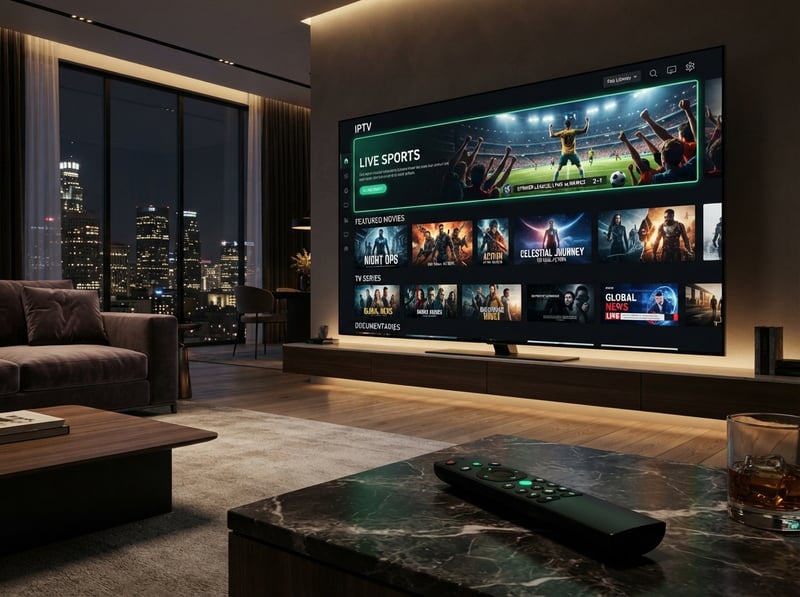
When I finally called my cable company to cancel TV service, the representative spent ten minutes trying to scare me. She told me streaming was unreliable, that I would miss local storm alerts, and that my internet price would skyrocket. I stuck to my plan, returned their two dusty black boxes, and dropped to a $55 monthly internet-only plan. That was eight months ago. We haven't missed a single sporting event, the kids have more movies than they could ever watch, and our monthly entertainment bill went from $164 down to $67 total including broadband.
Where Cable Still Wins (Honest Comparison)
I believe in being 100% honest with readers. Cable is not worse at everything. There are two specific areas where traditional cable still has an edge. First is absolute zero-latency broadcasting. Cable feeds reach your screen roughly 3 to 7 seconds faster than internet streams. If your neighbor is watching on cable and screaming at a goal, you might hear him three seconds before you see it on your screen. Second is simplicity during power or internet line issues. If an ISP line gets cut down the street, cable coax sometimes stays active while home Wi-Fi drops. For most people, these two minor points don't come close to justifying an extra $1,600 every year, but they are worth knowing before you switch.
How IPTV Quality Holds Up on Modern Networks
Modern IPTV in 2026 runs on H.265 (HEVC) video compression. What this means in plain English is that high-definition 1080p and 4K streams take up roughly half the bandwidth they did a few years back. If your home has at least 30 to 50 Mbps download speed, you can easily run two or three IPTV streams simultaneously in different rooms without any stuttering. Paired with hardware acceleration on modern streaming sticks, channel switching times are down to less than one second on quality servers. The old stereotype of IPTV being a pixelated, freeze-prone mess belongs to 2020, not 2026.
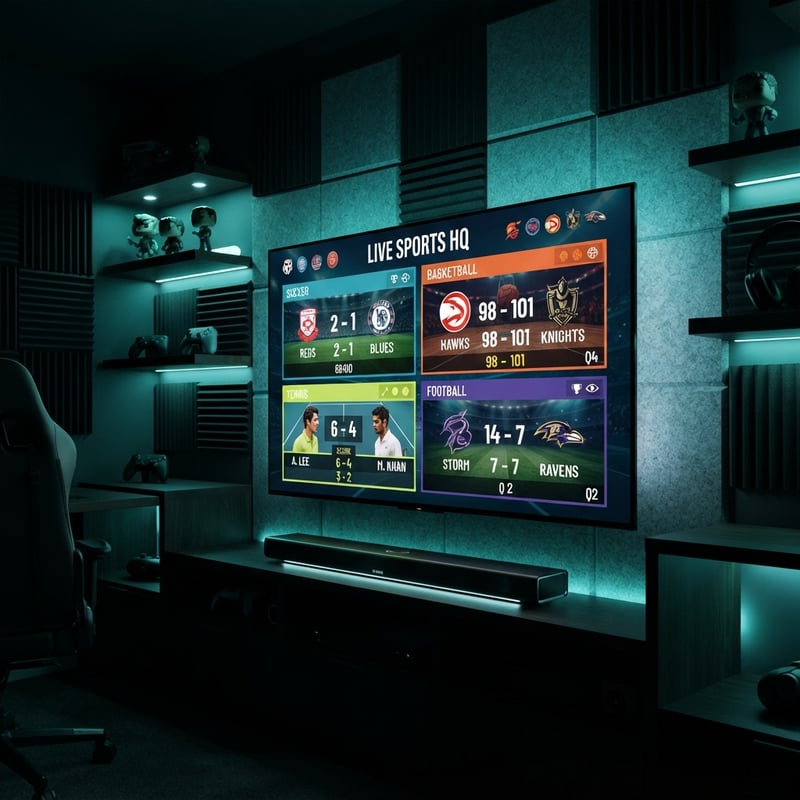
The bottom line is simple: traditional cable TV pricing is built on an outdated business model loaded with equipment rentals and forced bundle fees that make no sense in 2026. Switching to a vetted IPTV service gives you more content, better device flexibility, and puts real money back into your pocket every single month. Check our channel list, test our service with a risk-free 24-hour trial on your own TV, and see how easy it is to cut the cord for good.
Frequently Asked Questions
Ready to get started?
Try our service risk-free with a 24-hour free trial.
Related Articles
Discover the Best IPTV Boxes for Ultimate Streaming Experience
Find out the best IPTV boxes for seamless streaming.
How to Set Up IPTV: A Comprehensive 2026 Guide
Learn how to set up IPTV effortlessly with our guide.
Is IPTV Legal? Unpacking the Myths and Facts You Need to Know
Explore the legality of IPTV and its implications for users.