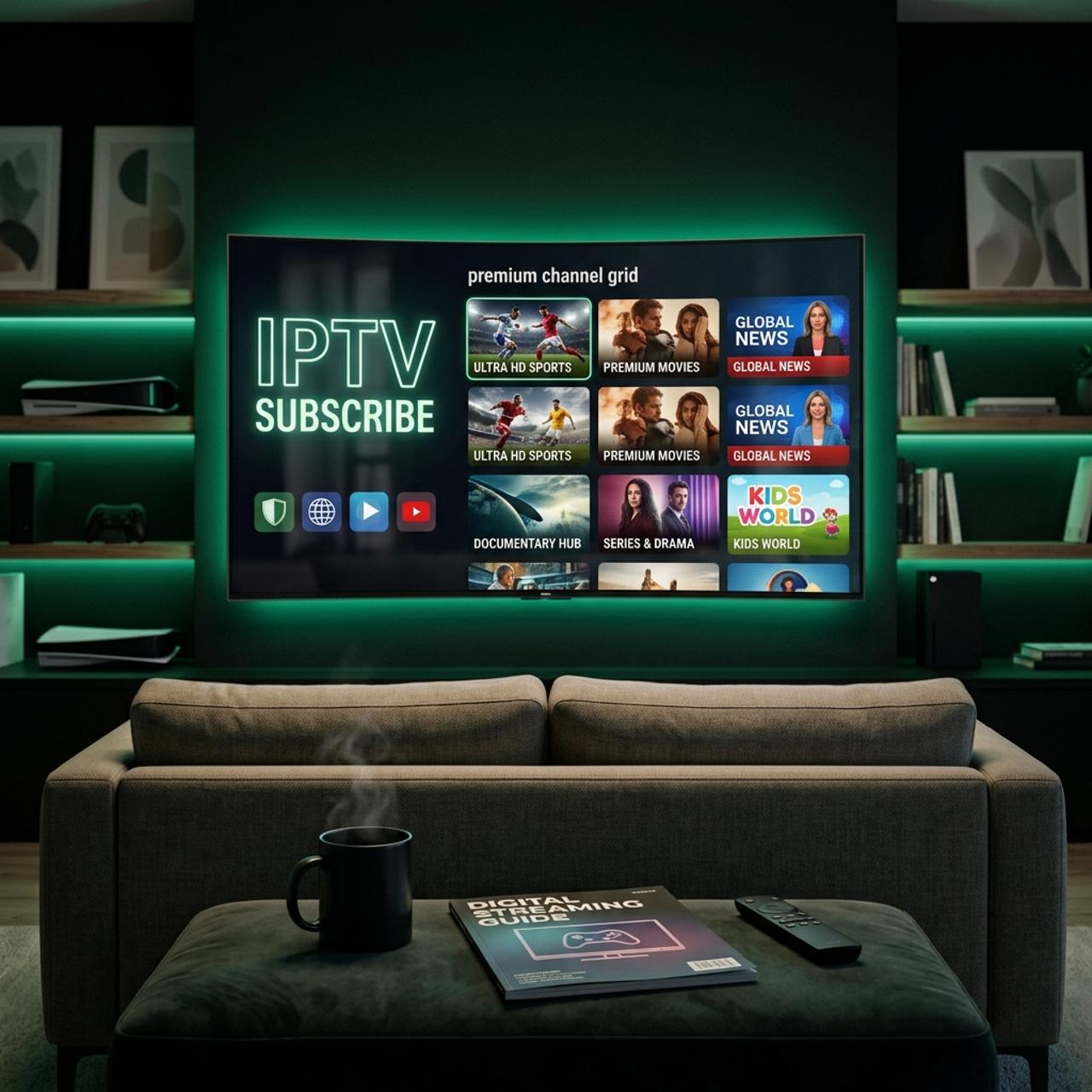
What Is a Smart TV Box and How It Transforms Any Television in 2026

Understanding What a Smart TV Box Actually Is and Why It Exists
Walk into any living room with a television older than three or four years and you will likely find a display that either lacks internet connectivity entirely or runs a smart platform so outdated that modern streaming applications refuse to install. Built-in smart television software ages rapidly because manufacturers prioritize selling new hardware over maintaining software updates for displays already purchased. Within two to three years of purchase, most smart televisions stop receiving operating system updates, lose compatibility with current application versions, and deliver increasingly sluggish navigation performance as newer applications demand more processing power than the aging embedded chipset can provide.
This is precisely the problem that a smart tv box solves. These compact external devices connect to any television with an HDMI input port and deliver a completely independent computing platform running a current operating system with full application marketplace access. Your television becomes a simple display monitor while the external box handles every computational task: internet connectivity, application execution, video decoding, electronic program guide rendering, and user interface navigation.
The result is transformative. A ten-year-old 1080p television that could otherwise only display antenna broadcasts or physical media suddenly gains access to every streaming application, live television player, gaming platform, and productivity tool available in the modern digital ecosystem. The what is a smart tv box question answered simply: it is the most cost-effective method for giving any television full smart capabilities without replacing the display hardware itself.
How Smart TV Boxes Work and What Happens Inside the Hardware
Inside every tv box sits a miniature computer containing the same fundamental components found in smartphones and tablets: a multi-core processor, system memory, persistent storage, wireless networking radios, and a graphics processing unit. These components work together to run a full operating system that manages application execution, network connectivity, video playback, and user interface rendering.
The processor handles the primary computational workload including operating system management, application logic execution, and video stream decoding. Modern boxes feature quad-core or octa-core ARM processors clocked at speeds sufficient for responsive navigation and smooth high-definition video playback. The graphics processing unit accelerates visual rendering tasks including user interface animations, video output formatting, and hardware-accelerated codec decoding for H.264, H.265 HEVC, VP9, and AV1 video formats.
System memory provides the temporary workspace where active applications, operating system services, and video playback buffers operate simultaneously. Budget models include two gigabytes of RAM sufficient for basic streaming workloads, while premium models provide four gigabytes or more to handle demanding multi-application scenarios without performance degradation. Persistent internal storage holds the operating system, installed applications, and cached data, with capacities ranging from eight to one hundred and twenty-eight gigabytes depending on the model tier.
Android TV Boxes versus Streaming Sticks and Which Format Is Better
The consumer marketplace offers smart streaming hardware in two primary physical formats: compact streaming sticks that plug directly into HDMI ports and larger set-top android tv box enclosures that sit on entertainment center shelves. Both formats serve the identical fundamental purpose of delivering smart capabilities to television displays, but meaningful hardware differences make each format better suited to specific use cases.
Streaming sticks excel at portability, minimal visual footprint, and effortless installation. Their ultra-compact form factor hides entirely behind the television, invisible to everyone in the room. They draw power through the HDMI port or a small USB power adapter, require no shelf space, and travel easily for hotel room or vacation property use. However, their miniaturized enclosures force aggressive thermal design compromises that limit sustained processing power, restrict memory capacity, and omit connectivity options like Ethernet and multiple USB ports.
Full-size tv boxes deliver superior sustained performance through larger thermal envelopes that dissipate heat more effectively during extended viewing sessions. Their spacious enclosures accommodate faster processors, more system memory, dedicated Ethernet ports for wired networking, multiple USB ports for external storage and peripheral devices, and physical cooling solutions that prevent the thermal throttling that plagues compact sticks during multi-hour marathon viewing. For households using their streaming hardware as a primary entertainment hub handling demanding IPTV workloads with massive channel databases, a dedicated set-top box delivers noticeably more responsive daily performance than a comparably priced streaming stick.
Key Features to Evaluate When Shopping for a TV Box
The smart TV box marketplace contains dozens of competing models at every price tier, making informed selection challenging without a clear understanding of which features genuinely impact daily viewing quality versus which represent marketing specifications that sound impressive but deliver negligible practical difference.
Operating system certification is the single most important feature to verify before purchase. Boxes running officially certified versions of the Android TV or Google TV operating system receive automatic system updates, maintain guaranteed application marketplace compatibility, and support voice assistant integration through the included remote control. Uncertified boxes running generic Android mobile firmware provide a functional but compromised experience with inconsistent application compatibility, missing marketplace access for certain applications, and no guaranteed update support.
Video output resolution determines the maximum visual quality the box can deliver to your television display. For households with 4K ultra-high-definition televisions, select a box supporting native 4K output at sixty frames per second with HDR10 or Dolby Vision high dynamic range support. For 1080p displays, any current model delivers maximum quality without requiring premium 4K-capable hardware pricing.
Networking capability significantly impacts streaming performance, particularly for IPTV workloads. Models featuring built-in Gigabit Ethernet ports deliver the most stable, interference-free connections for demanding live sports streams. Models limited to WiFi-only connectivity should support dual-band 802.11ac or WiFi 6 for maximum wireless throughput and minimum latency.
Popular Models and How They Compare Across Price Tiers
The smart tv box market segments cleanly into three distinct price tiers, each targeting different household priorities and budget constraints.
Budget tier models priced between thirty and fifty dollars deliver solid everyday streaming performance with quad-core processors, two gigabytes of system memory, and 1080p or basic 4K video output. These models handle standard streaming applications flawlessly and manage moderate IPTV channel lists up to ten thousand entries with acceptable navigation responsiveness. For households seeking the most affordable path to smart television functionality, budget models deliver genuine value without requiring significant financial commitment.
Mid-range models priced between fifty and one hundred dollars step up with faster processors, four gigabytes of memory, expanded internal storage, Gigabit Ethernet, and comprehensive 4K HDR video output support. The xiaomi tv box line exemplifies this mid-range category, delivering premium build quality with officially certified operating systems at competitive pricing. These models handle demanding IPTV workloads including massive channel databases, multi-view configurations, and extended viewing sessions without thermal throttling or memory pressure.
Premium flagship models priced between one hundred and two hundred dollars represent the highest performance tier available in consumer streaming hardware. These boxes feature the fastest available mobile processors, maximum memory configurations, WiFi 6E connectivity, USB 3.0 ports for high-speed external storage access, and advanced video processing capabilities including Dolby Vision, Dolby Atmos passthrough, and frame-rate matching for cinema-grade movie playback. For enthusiasts building reference-quality home entertainment systems, flagship boxes deliver performance that eliminates hardware as a limiting factor in the viewing experience.
Setting Up Your New Smart TV Box in Under Ten Minutes
Initial setup of a new box tv box device follows a straightforward process that most users complete in under ten minutes without any technical expertise.
- Step 1 Physical Connection
- Connect the included HDMI cable from the box to an available HDMI input on your television. Plug the power adapter into the box and a nearby wall outlet. If using wired internet, connect an Ethernet cable from your router to the box Ethernet port.
- Step 2 Television Input Selection
- Power on both the television and the box. Use your television remote to select the HDMI input where the box is connected. The box initialization screen should appear within thirty seconds.
- Step 3 Remote Control Pairing
- Follow the on-screen prompts to pair the included Bluetooth remote control. Most models pair automatically by holding the pairing button for three seconds when prompted.
- Step 4 Network Configuration
- Select your home WiFi network from the detected list and enter your wireless password, or confirm the wired Ethernet connection if using a cable. The box tests connectivity and downloads any pending system updates.
- Step 5 Account Sign-In and Application Installation
- Sign in with your marketplace account to enable application downloads. Browse the application marketplace and install your preferred streaming applications, IPTV media players, and entertainment tools.
Why a Smart TV Box Is the Best Investment for Any Cord Cutting Household
Among every piece of hardware in a cord-cutting entertainment setup, the smart TV box delivers the highest return on investment by the widest margin. A single one-time purchase between thirty and one hundred dollars transforms any display into a fully capable streaming entertainment hub that serves the entire household for years.
Unlike built-in smart television platforms that become obsolete as manufacturers abandon software updates, an external box maintains current operating system support and application compatibility throughout its hardware lifespan. When the box eventually reaches the end of its useful performance life after three to five years of daily use, replacing it with a newer model costs a fraction of purchasing an entirely new television. Your existing display continues serving as a perfectly functional screen while the external box provides the computational intelligence.
For IPTV subscribers specifically, a capable tv box tv smart device running a powerful processor with adequate memory and wired Ethernet connectivity delivers the most responsive channel switching, the smoothest electronic program guide scrolling, and the most reliable sustained playback performance available on any consumer streaming platform. The combination of open application ecosystem support, powerful hardware specifications, and competitive pricing makes the smart TV box the foundation hardware investment that every cord-cutting household should prioritize before considering any other streaming equipment purchase.
Frequently Asked Questions
Ready to get started?
Try our service risk-free with a 24-hour free trial.
Related Articles
How to Create a Roku Account and Link Your Device Without Paying in 2026
A complete walk-through for setting up a new Roku account and linking your hardware. Covers how to bypass credit card registration prompts, create a secure purchasing PIN, manage connected devices, and prepare your system for streaming.
Discover the Best IPTV Subscriptions: Your 2026 Guide
Uncover the best IPTV subscriptions and streaming options for 2026.
How to Watch IPTV on VLC: A Complete 2026 Guide
Master watching IPTV on VLC with our easy guide.